MALTE WOYDT

HOME:    PRIVATHOME:    LESE- UND NOTIZBUCH

ANGE
BOTE
BEL
GIEN
ÜBER
MICH
FRA
GEN
LESE
BUCH
GALE
RIE
PAM
PHLETE
SCHAER
BEEK
GENEA
LOGIE

Wars 1

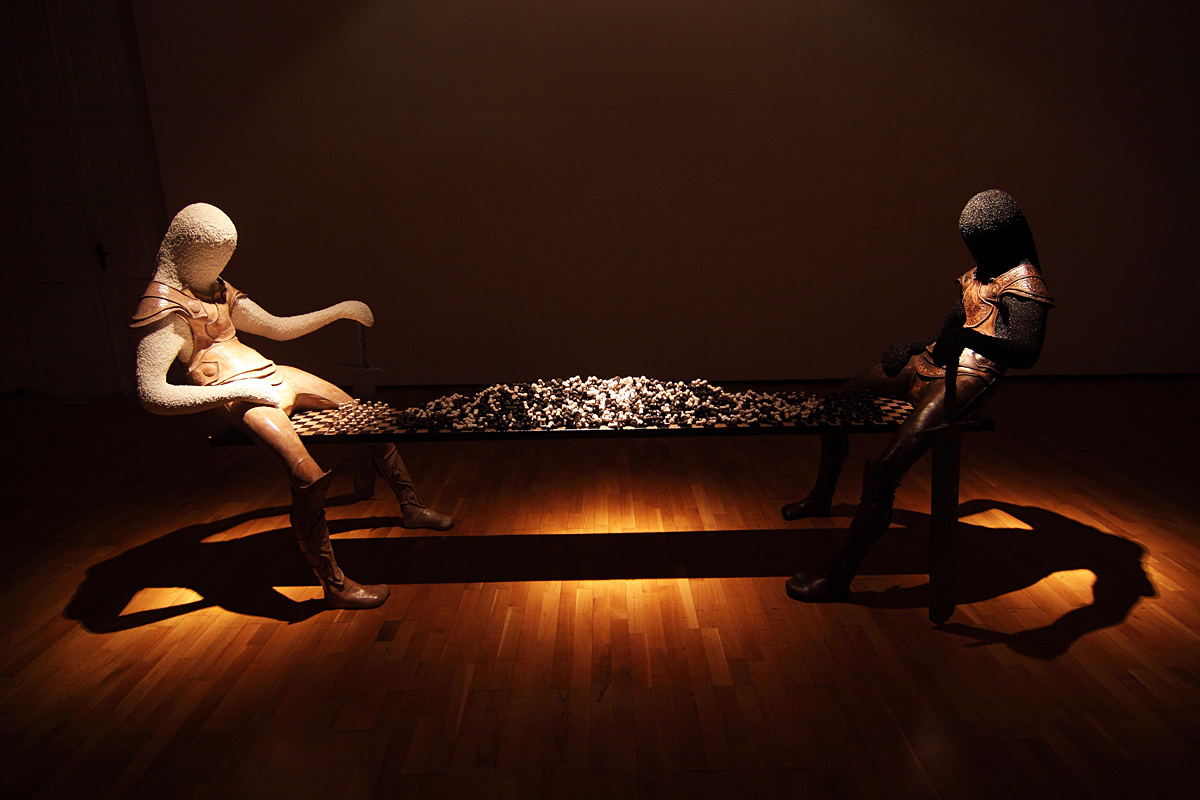
“The more I puzzle over the great wars of history, the more I am inclined to the view that causes attributed to them – territory, markets, resources, the defence or perpetuation of great principles – were not the root causes at all but rather explanations or excuses for certain unfathomable drives of human nature. For lack of a clear and precise understanding of exactly what these motives are, I refer to them as the ‘arrogance of power‘ – as a psychological need that nations seem to have in order to prove that they are bigger, better, or stronger than other nations. Implicit in this drive is the assumption, even on the part of normally peaceful nations, that force is the ultimate proof of superiority – that when a nation shows that is has the stronger army, it is also proving that it has better people, better institutions, better principles, and, in general, a better civilisation.”

aus: J. William Fulbright: The Arrogance of Power. London: Cape 1967 (Am.Orig.-Ausg.1966), S.5.

Abb.: I Made Widya Diputra: Art of War, 2013, indoartnow, im Internet.

12/06
08/10/2007 (11:29) Schlagworte: EN,Lesebuch ::

History 1

(DE) (NL)

“[Hegel] … planted in the generations leavened by him that admiration for the ‘Power of History’, which transforms practically every moment into a naked admiration of success and leads to idolatrous worship of the factual. For this service people nowadays commonly repeat the very mythological and, in addition, the truly German expression ‘to carry the bill of facts‘

But the person who has first learned to stoop down and to bow his head before the ‘Power of History’, finally nods his agreement mechanically, in the Chinese fashion, to that power, whether it is a government or public opinion or a numerical majority, and moves his limbs precisely to the beat of strings plucked by some ‘power’ or other. …

Create in yourselves a picture to which the future is to correspond, and forget the myth that you are epigones. You have enough to plan and to invent when you imagine that future life for yourselves. But in considering history do not ask that she show you the ‘How?’ and the ‘With what?'”

aus: Friedrich Nietzsche: On the Use and Abuse of History for Life (1874). translated by Ian C. Johnston 1998, Volltext im Internet.

08/10/2007 (10:19) Schlagworte: EN,Lesebuch ::

Kindness

(DE)

“And yet we do know:
Even hatred of baseness
Contorts the features.
Even wrath against injustice
Makes the voice hoarse. Ah, we
Who wanted to prepare the ground for friendship
Were ourselves unable to be friendly.”

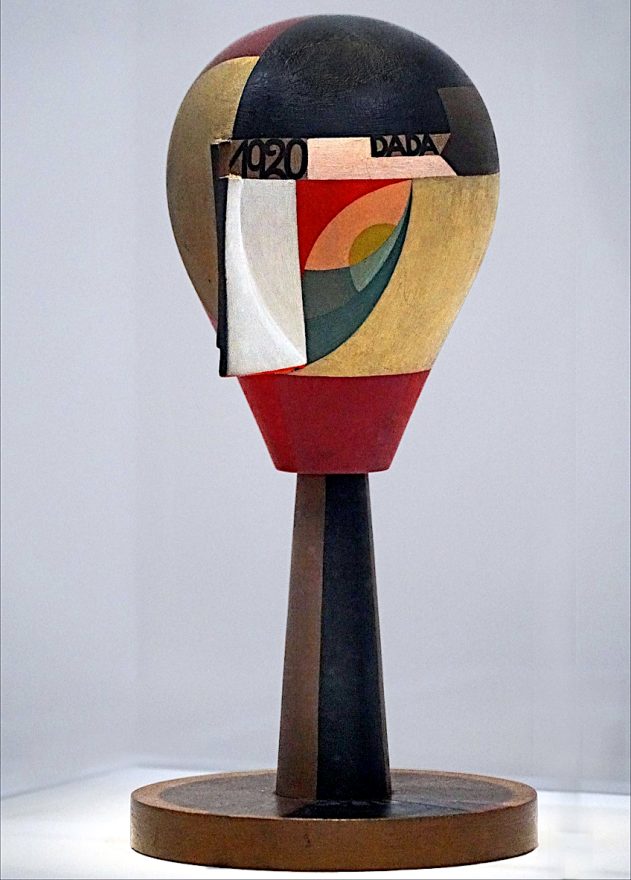
out of: Bertolt Brecht: To the Coming Generations. Complete version on the internet under lots of adresses, for example in Berkeley.

Abb.: Sophie Täuber-Arp: Dada-Kopf, 1920, im Internet.

08/10/2007 (10:17) Schlagworte: EN,Lesebuch ::

Interventionism

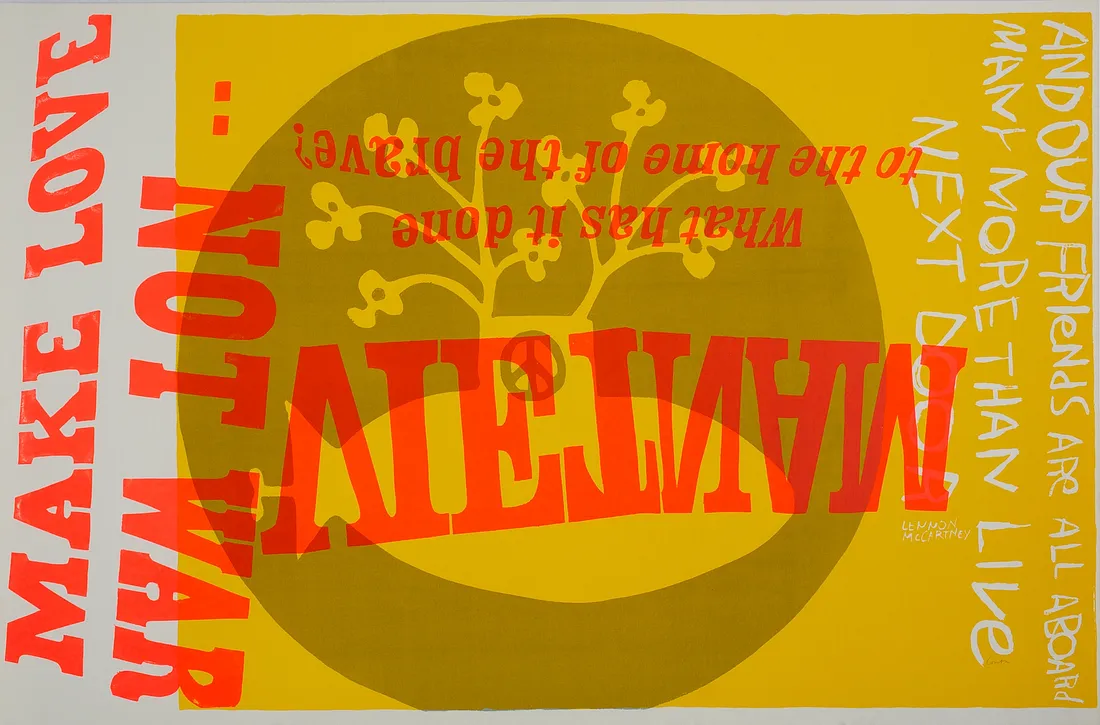
“… What I do question is the ability of the United States or any other Western nation to go into a small, alien, undeveloped Asian nation and create stability where there is chaos, the will to fight, where there is defeatism, democracy where there is no tradition of it, and honest government where corruption is almost a way of life. …

Why, we may ask, are they [the Southern Vietnamese] so shockingly ungrateful? … The answer, I think, is that ‘fatal impact’ of the rich and strong on the poor and weak. Dependent on it though the Vietnamese are, American strength is a reproach to their weakness, American wealth a mockery of their poverty, American success a reminder of their failures. What they resent is the disruptive affect of our strong culture upon their fragile one, an effect which we can no more avoid having than a man can help being bigger than a child. What they fear, I think rightly, is that traditional Vietnamese society cannot survive the American economic and cultural impact. …

The cause of our difficulties in Southeast Asia is not a deficiency of power but an excess of the wrong kind of power … We are still acting like Boy Scouts dragging reluctant old ladies across streets they do not want to cross. We are trying to remake Vietnamese society, a task which certainly cannot be accomplished by force and which probably cannot be accomplished by any means available to outsiders. …”

aus: J. William Fulbright: The Arrogance of Power. London: Cape 1967 (Am.Orig.-Ausg.1966), S.15-18.

Abb.: Corita Kent: Yellow submarine, 1967, im Internet.

12/06

05/10/2007 (0:25) Schlagworte: EN,Lesebuch ::
« Previous Page